Agri-Tech Diplomacy: South Sudan VC Engages with PAU Experts
Ludhiana, August 04, 2025:Amrik siingh PrinceDr. Abraham Matoc Dhal, Vice-Chancellor of Dr. John Garang Memorial University of Science and Technology (DrJGMUST), South Sudan, visited Punjab Agricultural University (PAU), Ludhiana, as a part of his academic tour of India under the ICCR’s Academic Visitors Programme. The visit laid the groundwork for agricultural ties between India and South Sudan, as discussions focused on potential joint ventures in research, technology, and education.
Briefing the guest, PAU Vice-Chancellor Dr. Satbir Singh Gosal spotlighted the university’s pivotal role in India’s Green Revolution and its continued leadership in conservation agriculture, apiculture, and mechanisation. He drew attention to PAU’s advancements in smart and precision farming through the use of drones, AI, biosensors, blockchain, remote sensing, IoT, and GIS-based tools. The university’s thrust on climate-resilient technologies, farm automation, genome editing, and vertical farming was presented as a framework for future collaboration.
Dr. Gosal also shared PAU’s emphasis on transitioning Punjab’s farming from a grain-centric approach to diversified agribusiness models. He detailed how the Integrated Farming System developed at PAU blends crops with livestock, aquaculture, agroforestry, and horticulture to enhance income, nutrition, and employment. The university’s innovative surface seeding technology and research on root traits, heat tolerance, and photosynthetic efficiency in wheat were presented as examples of eco-smart innovation.
During the interaction, Dr. Dhal outlined the agricultural landscape of South Sudan. With over half its territory classified as prime farmland and abundant water resources, including the White Nile and vast swamplands, the country holds significant promise for sustainable agricultural growth. Its diverse agro-ecological zones support a wide range of crops from finger millet and sorghum to oilseeds, pulses, and cash crops like coffee and sugarcane. Agriculture contributes around 23 per cent to South Sudan’s GDP, making it a core sector for economic revival.
The South Sudanese Vice-Chancellor expressed keen interest in leveraging PAU’s expertise for capacity building, technology transfer, and research tie-ups. He underlined the role of DrJGMUST, which comprises colleges like Agriculture, Veterinary Medicine, Environmental Sciences, and Computer Science, as a key driver of science-led development in his country.
Earlier while welcoming the visitor, Dr. Rishi Pal Singh (IAS), Registrar of PAU, noted that while Punjab and South Sudan are geographically distant, their agricultural challenges such as climate variability and the need for skilled manpower are strikingly similar. He underlined PAU’s philosophy of ‘knowledge without borders,’ stressing that agricultural partnerships should grow organically in mutually acceptable domains.
Dr. A.S. Dhatt, Director of Research at PAU, offered a comprehensive overview of the university’s scientific footprint. From water-saving methods and integrated nutrient management to genome editing and nano-fertilisers, PAU’s research portfolio has consistently aligned with the evolving needs of Indian agriculture. He also showcased specialty crop varieties like the high-zinc wheat PBW1 Zn, early-maturing PBW 826, and resistant starch-rich PAU RS-1, in addition to advances in rice, cotton, sugarcane, and maize breeding.
The extension dimension was elaborated by Dr. Makhan Singh Bhullar, Director of Extension Education. He summarised PAU’s vast outreach through Krishi Vigyan Kendras, Farm Advisory Service Centres, and digital platforms like the PAU Kisan App, weekly Facebook Lives, WhatsApp groups, and Kisan Doot messengers. Regular Kisan Melas, field demonstrations, and over 100 farm publications ensure the timely dissemination of knowledge to more than 12,000 villages across Punjab.
Dr. Manav Indra Singh Gill, Dean Postgraduate Studies, highlighted the academic rigour at PAU’s six constituent colleges, which maintain a dynamic curriculum reflecting research priorities and skill needs. He cited the recent accolade of PAU breaking into the top 100 among the global agricultural institutions ranked by EduRank (2025). Dr. Vishal Bector, Associate Director (Institution Relations), moderated the interaction and emphasised the strategic importance of building international partnerships for mutual growth.
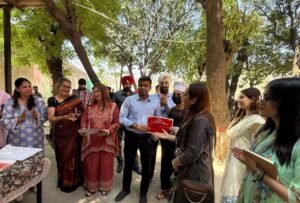
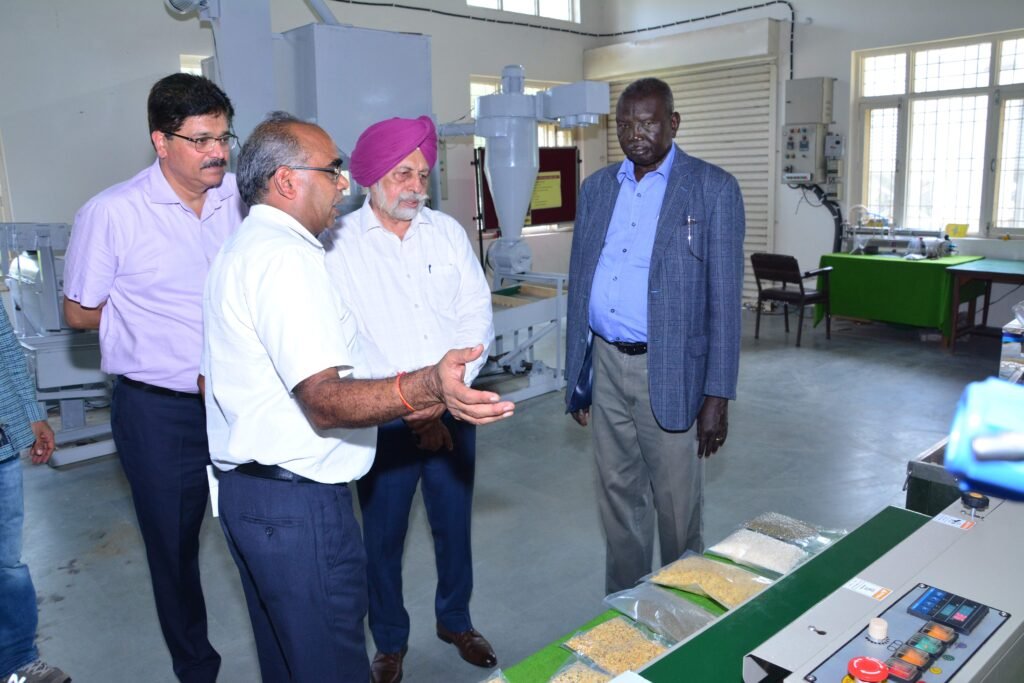
Dr. Dhal was honoured with mementoes by the PAU leadership as a mark of respect. He later toured key facilities, including the speed breeding centre, tissue culture labs, agro-processing and food incubation units, skill development centre, PAU’s renowned museums, and its sports infrastructure.
The visit reaffirmed PAU’s position as a global knowledge hub in agriculture and opened doors for a promising alliance with South Sudan in pursuit of sustainable, tech-enabled farming solutions.